At Rad-Vasc Medical, we understand that poor circulation from Peripheral Artery Disease (PAD) translates into immediate loss of mobility and a disruption to your daily New York City lifestyle. We offer specialized PAD Treatment in Rego Park—a comprehensive interventional solution designed to restore healthy blood flow and help you return to your routine without the need for traditional open surgery.
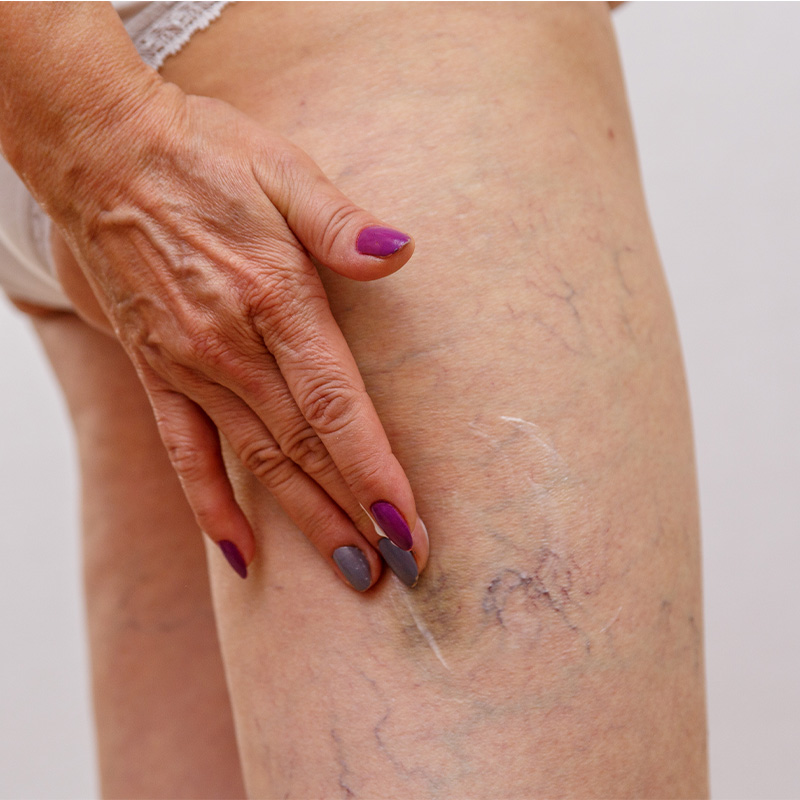
Looking for high-quality care for Peripheral Artery Disease near Queens? At Rad-Vasc Medical, we provide advanced diagnostics and treatments to restore circulation to your legs. Whether you require a specialized atherectomy or advanced wound care for vascular ulcers, our experienced clinical team in Rego Park delivers personalized care focused on restoring your mobility.
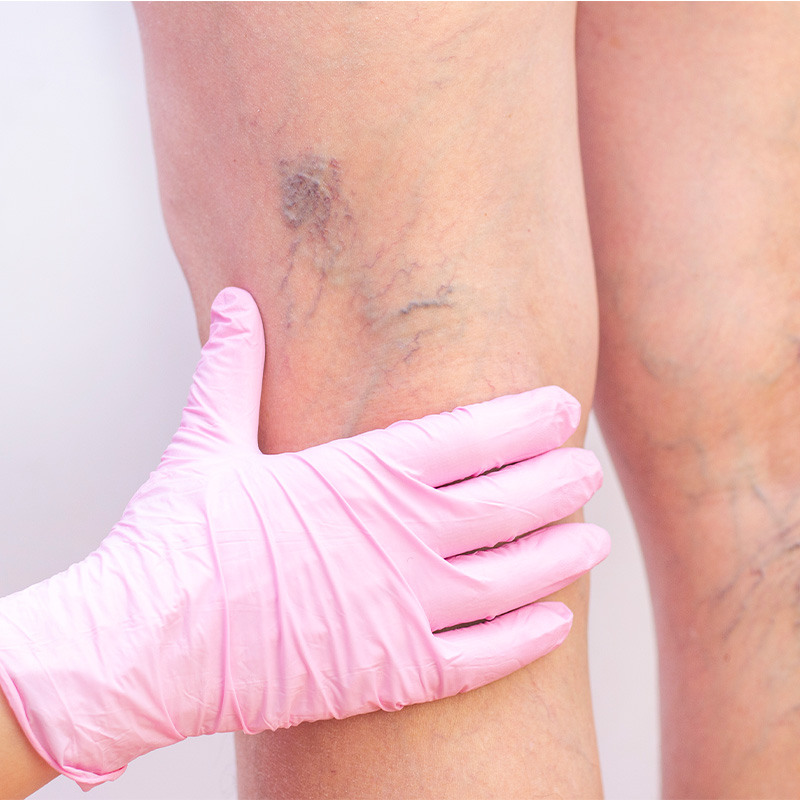
An atherectomy is a cutting-edge, minimally invasive treatment used to clear plaque from arteries and restore healthy blood flow. This advanced treatment for PAD in Queens works by:
Plaque Removal: Utilizing a specialized catheter to gently remove or vaporize arterial buildup.
Minimally Invasive: Performed through a tiny entry point, requiring no large incisions or general anesthesia.
Immediate Improvement: Restores circulation quickly, significantly reducing the risk of non-healing ulcers or amputation.
At Rad-Vasc Medical, we follow a patient-focused care model to ensure the best clinical outcomes for our Queens community:
01
A thorough review of your symptoms, such as leg cramping or heaviness, to determine the best clinical path.
02
Utilizing high-definition vascular ultrasound to identify the precise location of arterial blockages.
03
Procedures like atherectomy are performed in our state-of-the-art facility, typically taking less than 90 minutes.
04
Continuous monitoring and clinical guidance to support long-term arterial health.
Peripheral Artery Disease is a progressive condition. We recommend a consultation in our Rego Park office if you experience:
Our Queens-based team provides a suite of services designed to restore leg health:
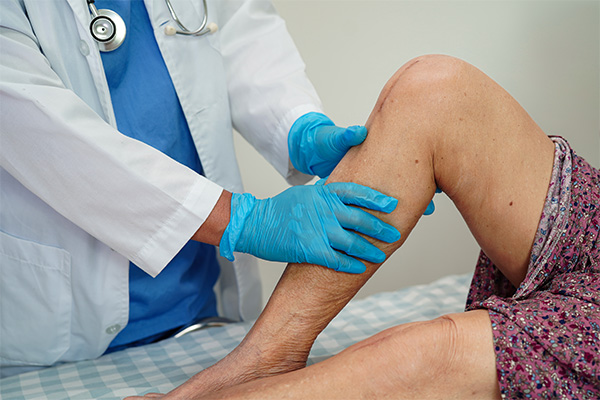
Choosing the right specialist for your treatment in Queens, NY is critical for your long-term health and mobility.
01
Hyper-Local Convenience:Located in Rego Park, easily accessible for residents of Forest Hills, Middle Village, and Kew Gardens.
02
Expert Clinical Team:Leaders in the latest minimally invasive techniques and patient-first safety.
03
Proven Results:Dedicated to helping our neighbors avoid major surgery and maintain their independence.
See how our advanced treatments have helped patients across NYC improve their overall health and well-being.

I had cramping and slow-healing wounds on my legs for over a year. Dr. Boktor's team at the Brooklyn office performed the atherectomy and the difference was immediate. My circulation improved within days and the wounds are finally closing.
As a diabetic, I was terrified of losing my foot. The team at Rad-Vasc Medical caught my PAD early and treated it with stenting. Six months later, I'm walking around Rego Park pain-free. They literally saved my mobility.
The Rego Park clinic took the time to do a proper vascular assessment when other doctors had brushed off my leg pain as 'just aging.' Turned out I had significant arterial blockage. The minimally invasive treatment got me back on my feet quickly.
I can finally walk to my mailbox without stopping every few feet. Dr. Boktor and his Brooklyn team gave me my independence back. The procedure was quick and the recovery was almost nothing compared to what I was told to expect with bypass surgery.
Conveniently located in the heart of Queens, our Rego Park clinic provides the specialized vascular care you need within reach. Access world-class treatments without the long commute.
95-08 65th Avenue, Rego Park, NY 11374

The most common signs we see in our Rego Park patients are leg pain during activity (that stops with rest), wounds on the feet that won't heal, and a noticeable difference in temperature between your feet. If you notice these, a vascular evaluation is essential.
While PAD is a chronic condition, "surgery" usually refers to invasive bypasses. At Rad-Vasc, we offer non-surgical interventional treatments like atherectomy that restore blood flow through a tiny pinhole, providing the results of surgery without the hospital stay or large incisions.
Walking is the best exercise for PAD, but it must be managed correctly. If your leg pain is severe enough to stop you from walking a block on Queens Blvd, our treatments can help clear the blockage so you can walk further and more comfortably.
We use non-invasive tests such as the Ankle-Brachial Index (ABI) and ultrasound imaging. These tests are painless and allow us to map your blood flow in real-time to determine the severity of any blockages.